Have you ever found yourself thinking:
"I just need a good night's sleep."
"Once this busy period is over, I'll feel better."
"I just need to push through a little longer."
For many people experiencing burnout, that's exactly where it begins.
The problem is that burnout rarely arrives all at once.
It doesn't usually start with a dramatic breakdown or a sudden inability to cope.
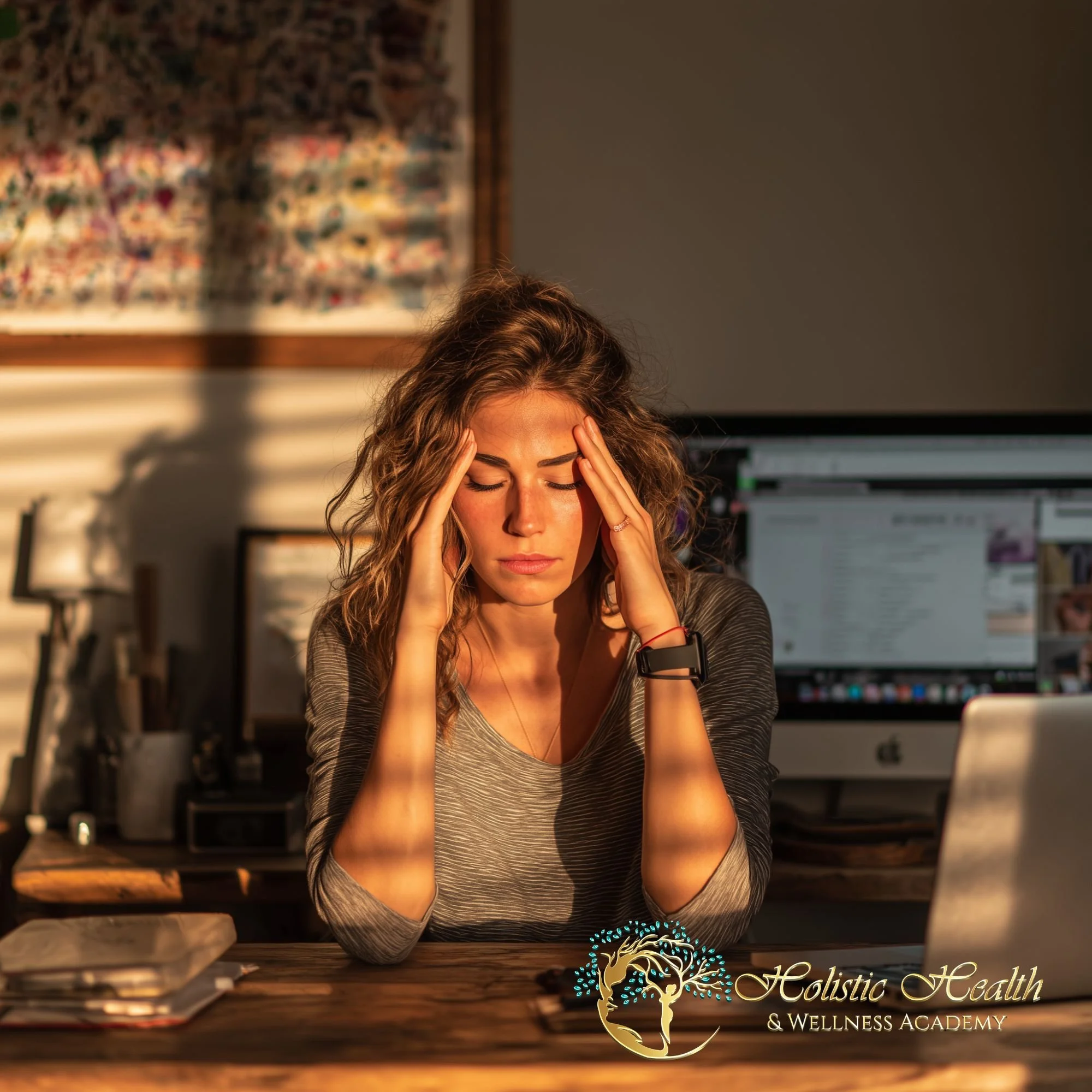
Instead, it quietly builds beneath the surface. What begins as stress gradually turns into exhaustion, emotional overwhelm, disconnection, and eventually a feeling that you've somehow lost yourself.
As a therapist, I often see people who have been struggling for months, sometimes years, before they realise what is actually happening.
The good news is that burnout is not permanent.
The earlier you recognise the signs, the easier it is to recover and rebuild.
What Is Burnout?
Burnout is more than simply feeling tired.
It is a state of emotional, physical and mental exhaustion that occurs when the demands placed upon you consistently exceed your ability to recover.
Many people experiencing burnout describe feeling:
Constantly tired
Emotionally overwhelmed
Irritable or short-tempered
Unable to switch off
Disconnected from themselves
Less motivated than usual
Stuck, trapped or lost
Unable to enjoy things they once loved
Burnout affects your mind, body, emotions and nervous system.
Left unaddressed, it can begin to impact every area of life, including relationships, work, health and self-confidence.
The 5 Stages of Burnout
1. The High Achievement Phase
Ironically, burnout often begins when things appear to be going well.
You may feel motivated, driven, ambitious and excited.
You say yes to opportunities, take on extra responsibilities and push yourself to achieve more.
At this stage, most people receive praise for their dedication.
The challenge is that they are often operating on adrenaline rather than genuine balance.
Early signs include:
Difficulty slowing down
Overworking
Neglecting rest
Ignoring stress signals
Feeling guilty when relaxing
2. The Stress Phase
Over time, the pressure begins to build.
You start noticing that your energy isn't recovering as quickly as it once did.
You may feel more anxious, overwhelmed or emotionally reactive.
Sleep often becomes less restorative.
You might still be functioning well externally, but internally things are becoming harder.
Common signs include:
Increased worry
Difficulty concentrating
Tension headaches
Poor sleep
Feeling constantly "busy"
3. Chronic Stress
This is often the point where people start seeking support.
Stress is no longer something that comes and goes.
It becomes your default state.
Your nervous system remains switched on for prolonged periods and the body struggles to return to a state of rest and recovery.
Common signs include:
Exhaustion
Brain fog
Irritability
Digestive issues
Emotional overwhelm
Increased anxiety
Loss of motivation
Many people describe feeling like they are constantly "running on empty."
4. Burnout
This is the stage most people recognise.
The strategies that once helped you cope no longer work.
You may feel detached, emotionally numb or deeply exhausted.
Simple tasks feel overwhelming.
You may begin withdrawing from people, avoiding responsibilities or feeling disconnected from your own life.
Common signs include:
Emotional numbness
Persistent fatigue
Loss of confidence
Withdrawal from others
Feeling hopeless or stuck
Reduced performance
5. Deep Burnout
When burnout continues for too long, it can become a chronic state.
Many people experience significant physical, emotional and psychological symptoms.
Recovery remains possible, but it usually requires a more intentional and supportive approach.
This is often where people realise that rest alone is not enough.
Something deeper needs to change.
Why Rest Alone Doesn't Always Work
One of the biggest misconceptions about burnout is that a holiday will fix it.
While rest is important, burnout is rarely caused by a lack of holidays.
It is usually the result of deeper patterns such as:
People pleasing
Perfectionism
Poor boundaries
Chronic stress
Trauma responses
Caretaking roles
High-functioning anxiety
Feeling responsible for everyone else
Without addressing these underlying patterns, many people find themselves returning from holiday only to feel exhausted again a few weeks later.
Burnout Recovery Is About More Than Rest
True recovery involves helping your nervous system feel safe enough to switch out of survival mode.
This may involve:
Nervous system regulation
Counselling
Hypnotherapy
Emotional processing
Boundary work
Rebuilding self-trust
Clarifying priorities
Creating a more sustainable way of living
Recovery is not about becoming less ambitious.
It is about creating success and fulfilment without sacrificing your health and wellbeing in the process.
Burnout Can Be A Turning Point
Although burnout is painful, many people eventually discover that it becomes a powerful catalyst for change.
It invites us to ask important questions:
What truly matters to me?
What am I carrying that no longer belongs to me?
What needs to change?
What would a sustainable, fulfilling life actually look like?
Sometimes burnout isn't simply a sign that you need rest.
Sometimes it's a sign that your life is asking for a different direction.
Burnout Recovery Sessions in Malta & Online
If you're feeling exhausted, overwhelmed, emotionally drained or disconnected from yourself, support is available.
My Burnout Recovery & Life Rebuild Sessions combine counselling, coaching, nervous system regulation and practical strategies to help you recover, rebuild and move forward with greater clarity and confidence.
Sessions are available online worldwide and in person in Malta.
📱 WhatsApp: +356 99355901
You don't have to keep pushing through alone.
Burnout Can Happen At Any Age : *Burnout Rates by Generation Global workforce surveys from organizations like Mental Health UK and Eagle Hill reveal a clear downward trend in burnout as age increases
Gen Z (Ages 18–27): Highest overall burnout rates at 66% to 74%
Millennials (Ages 28–43): High vulnerability at 58%.
Gen X (Ages 44–59): Moderate rates at 53%.
Baby Boomers (Ages 60+): Lowest overall rates at 37%.